
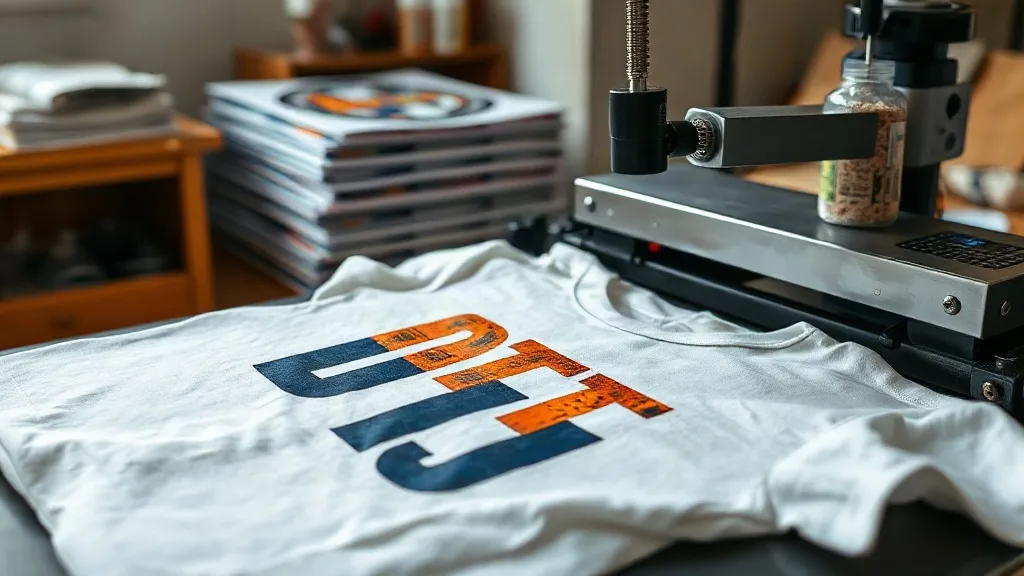
DTF transfers have revolutionized the garment decoration industry, offering vibrant, durable prints on a wide range of fabrics. Whether you're a seasoned professional or just starting out, mastering the art of DTF printing can elevate your business and delight your customers. In this guide, we'll dive deep into the entire DTF process, from film selection to final press, and share expert tips to help you achieve flawless results every time.
Understanding DTF Transfers
DTF, or Direct to Film, is a printing method where designs are printed onto a special film, coated with adhesive powder, and then heat-pressed onto fabric. Unlike DTG or screen printing, DTF transfers work on almost any fabric, including cotton, polyester, blends, and even nylon, without the need for pre-treatment. This versatility makes DTF a favorite among print shops looking to expand their offerings.
The DTF Process Step by Step
The DTF process involves several critical steps: designing the artwork, printing onto film, applying powder, curing, and pressing. Each step requires attention to detail to ensure the final transfer adheres properly and looks great wash after wash.
Choosing the Right Film for DTF Transfers
The film you choose plays a huge role in print quality. There are two main types: cold peel and hot peel. Cold peel film requires the transfer to cool completely before peeling, which often results in a softer hand feel. Hot peel film allows immediate peeling, speeding up production but sometimes leaving a slightly glossier finish. Consider your production volume and desired feel when selecting film.
Film Width and Thickness
Film comes in various widths to accommodate different printer sizes. Thicker films can handle more ink but may require more powder. Thinner films are more economical but can be trickier to work with. Experiment to find the sweet spot for your shop.
Ink and Powder: The Dynamic Duo
DTF inks are specially formulated to adhere to the film and later to the fabric. Using quality ink is crucial for vibrant colors and durability. The powder, typically a thermoplastic polyurethane (TPU), is applied to the wet ink and then cured. The powder melts and fuses with the ink, creating a flexible, stretchable layer that bonds to the fabric.
Powder Application Tips
Apply powder evenly using a shaker or automated powder applicator. Too much powder can lead to a stiff feel and excess waste; too little results in poor adhesion. Shake off excess powder before curing.
Mastering the Heat Press
The heat press is where the magic happens. Temperature, pressure, and time are the three variables you must control. For DTF, typical settings are 320°F (160°C) for 10-15 seconds with medium pressure. However, these can vary based on film type and fabric. Always perform a test press to dial in your settings.
Pre-Pressing the Garment
Before pressing the transfer, pre-press the garment for a few seconds to remove moisture and wrinkles. This step ensures even adhesion and prevents steam from interfering with the bond.
Troubleshooting Common DTF Issues
Even with careful preparation, issues can arise. Here are some common problems and their solutions:
- Transfer not adhering: Increase pressure or temperature; ensure fabric is clean and dry.
- Peeling after wash: Verify powder is fully cured and press time is sufficient.
- Color fading: Use high-quality ink and store prints properly.
- Stiff feel: Reduce powder amount or try a softer powder.
DTF Transfers Near Me: Finding Quality Supplies
When searching for dtf transfers near me, it's essential to choose a reputable supplier. Look for companies that offer consistent quality, fast turnaround, and good customer support. Reading reviews and requesting samples can save you from costly mistakes.
Advanced Techniques for Flawless Prints
Once you've mastered the basics, you can explore advanced techniques like multi-layer printing, using specialty powders for unique effects, and integrating DTF with other decoration methods. Continuous learning and experimentation will keep your shop ahead of the curve.
Frequently Asked Questions
What fabrics work best with DTF transfers?
DTF transfers work on a wide range of fabrics, including cotton, polyester, blends, and even nylon. They are particularly popular for polyester and blends where other methods may struggle.
How do I prevent the transfer from peeling after washing?
Ensure the powder is fully cured and the press settings are correct. Also, wash garments inside out in cold water and avoid fabric softeners.
Can I use DTF transfers on dark garments?
Yes, DTF transfers include a white ink layer that allows vibrant colors to show on dark fabrics. Just make sure your design includes a white underbase.
What is the shelf life of DTF transfers?
When stored properly in a cool, dry place away from direct sunlight, DTF transfers can last up to 6 months.
How do I choose the right powder for my shop?
Consider your production volume and desired hand feel. Finer powders give a softer feel but may require more careful application. Test different powders to find what works best for your workflow.