
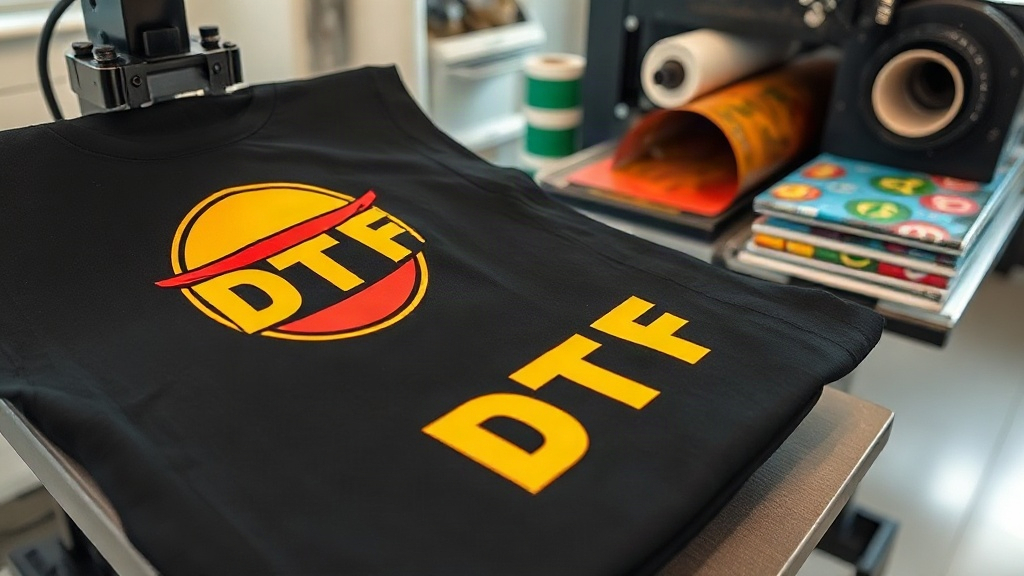
When it comes to creating standout custom apparel with DTF printing, the blank you choose can make or break your final product. Among the many options available, Shaka Wear has carved out a reputation for delivering high-quality, durable garments that take transfers beautifully. Whether you're a seasoned printer or just starting out, understanding what makes Shaka Wear unique and how to get the best results with DTF technology is essential. In this guide, we'll dive deep into the world of Shaka Wear, covering everything from fabric selection to printing techniques, so you can produce professional-grade apparel that your customers will love.
Why Shaka Wear Stands Out in the Custom Apparel Market
Shaka Wear isn't just another blank apparel brand. Founded in Los Angeles, the company has deep roots in streetwear and urban fashion, and it shows in their product line. Their garments are known for their heavyweight construction, soft hand feel, and consistent sizing. For DTF printers, this translates to a reliable canvas that can handle the heat and pressure of the transfer process without warping or discoloration.
One of the key advantages of Shaka Wear is their attention to fabric quality. Most of their tees and hoodies are made from 100% cotton or cotton-poly blends, which are ideal for DTF printing. The tight weave of their fabrics allows for excellent ink adhesion, resulting in prints that are vibrant and resistant to cracking. Additionally, their garments are pre-shrunk, so you won't have to worry about significant shrinkage after the first wash, which is a common issue with cheaper blanks.
Understanding DTF Printing and Its Compatibility with Shaka Wear
DTF, or Direct to Film, printing has revolutionized the custom apparel industry by offering a versatile and cost-effective way to transfer designs onto a wide range of fabrics. Unlike DTG or screen printing, DTF doesn't require pre-treatment or special inks, making it accessible for small businesses and hobbyists alike. The process involves printing your design onto a special film, applying a powder adhesive, and then heat-pressing it onto the garment.
Shaka Wear garments are exceptionally compatible with DTF printing due to their smooth surface and ability to withstand heat. However, not all Shaka Wear pieces are created equal. Let's break down the best options for different types of apparel.
Best Shaka Wear T-Shirts for DTF Printing
When it comes to t-shirts, the Shaka Wear Max Heavyweight Tee is a favorite among printers. Its 7.5 oz, 100% cotton fabric provides a substantial feel that customers associate with premium quality. The tight knit allows for fine detail reproduction, so even complex designs come out sharp. For a lighter option, the Shaka Wear Premium Tee (5.5 oz) is a great choice for warm-weather apparel. Both styles hold up well to the heat press, with minimal scorching if you follow the correct settings.
If you're printing on dark colors, you'll need to use a DTF film with a white ink base. Shaka Wear's dark tees, like their black and navy options, provide a rich background that makes colors pop. Just ensure you adjust your press settings accordingly to avoid over-curing the adhesive.
Hoodies and Sweatshirts: Shaka Wear's Heavyweight Champions
Shaka Wear's hoodies, such as the Independent Hoodie, are made with a heavy fleece blend that can be tricky to print on if you're not careful. The thickness of the fabric requires a slightly longer press time and higher pressure to ensure the DTF transfer adheres properly. However, the result is a durable, cozy garment with a print that won't peel off after a few washes. For best results, pre-press the hoodie for a few seconds to remove moisture, then apply the transfer at 325°F for 15-20 seconds with medium-heavy pressure.
Step-by-Step Guide to DTF Printing on Shaka Wear
Now that you know which Shaka Wear garments work best, let's walk through the DTF printing process from start to finish. Following these steps will help you achieve professional-looking results every time.
- Prepare your design: Ensure your artwork is high-resolution (300 DPI) and mirrored if required by your printer. DTF printing typically requires mirrored images because the film is placed face-down on the garment.
- Print on DTF film: Use a dedicated DTF printer with pigment inks. Print the design onto the film's coated side.
- Apply adhesive powder: While the ink is still wet, sprinkle the DTF powder evenly over the design. Shake off excess powder and cure it under a heat source until it melts and becomes glossy.
- Pre-press the garment: Place your Shaka Wear garment on the heat press for 5-10 seconds to remove wrinkles and moisture. This step is crucial for proper adhesion.
- Position the transfer: Place the DTF film on the garment with the design facing up (or down, depending on your film type). Use heat-resistant tape to secure it if needed.
- Heat press: Press at 325°F (160°C) for 15-20 seconds with medium to heavy pressure. For hoodies, you may need to increase time to 25 seconds.
- Peel the film: Wait for the transfer to cool completely before peeling. This is known as a cold peel. Peel slowly at a 180-degree angle.
- Post-press (optional): For extra durability, you can cover the design with parchment paper and press again for 5-10 seconds.
By following these steps, you'll create a strong bond between the DTF transfer and your Shaka Wear garment. Remember that different fabrics may require slight adjustments, so always test on a scrap piece first.
Common Challenges and How to Overcome Them
Even with high-quality blanks like Shaka Wear, you might run into issues. Here are some common problems and their solutions:
- Print cracking: This usually happens due to under-pressing or stretching the garment after printing. Ensure you apply enough pressure and avoid stretching the fabric when wearing or washing.
- Adhesive residue: If you see powder residue around the design, it means you used too much powder or didn't shake off the excess properly. Use a soft brush to remove excess powder before curing.
- Color fading: DTF prints can fade over time if washed incorrectly. Always turn the garment inside out and wash in cold water. Avoid bleach and tumble dry on low heat.
- Poor adhesion on hoodies: The thick fleece of Shaka Wear hoodies can be challenging. Pre-press for longer and use higher pressure to ensure the transfer penetrates the fabric.
With a bit of practice, you'll be able to troubleshoot these issues quickly and consistently produce top-notch apparel.
Maximizing Durability: Care Tips for Your Shaka Wear DTF Prints
To ensure your DTF-printed Shaka Wear garments last as long as possible, share these care instructions with your customers:
- Wait 24 hours before the first wash to allow the adhesive to fully cure.
- Turn the garment inside out before washing.
- Use cold water and a gentle cycle.
- Do not use fabric softener or bleach.
- Tumble dry on low or hang dry.
- Iron inside out, avoiding the printed area.
Following these simple steps will keep the print looking fresh for years.
Frequently Asked Questions About Shaka Wear and DTF Printing
Can I use DTF printing on all Shaka Wear fabrics?
DTF printing works best on cotton and cotton-poly blends. Shaka Wear offers many options in these materials. However, for 100% polyester garments, you may need to adjust your press settings to avoid dye migration. Always test on a sample first.
What is the ideal heat press temperature for Shaka Wear hoodies?
For heavyweight hoodies like the Independent Hoodie, set your press to 325°F (160°C) and press for 20-25 seconds with medium-heavy pressure. Pre-pressing the garment for 10 seconds is also recommended to remove moisture.
How do I prevent the DTF transfer from peeling off Shaka Wear shirts?
Peeling usually occurs from insufficient pressure or under-curing. Ensure you apply even, heavy pressure and follow the recommended time and temperature. Also, allow the transfer to cool completely before peeling the film.
Is Shaka Wear suitable for both light and dark garments?
Absolutely. Shaka Wear offers a wide range of colors. For dark garments, use DTF film with a white ink base to ensure the colors remain vibrant. The opaque white layer prevents the garment color from showing through.
Where can I buy Shaka Wear blanks for my DTF printing business?
Shaka Wear products are available through various wholesale distributors and online retailers. Look for authorized dealers to ensure you're getting authentic products. Buying in bulk can often reduce costs.
With their premium quality and compatibility with DTF printing, Shaka Wear blanks are a smart choice for any custom apparel project. By following the guidelines in this article, you'll be well on your way to creating stunning, durable prints that impress your customers and elevate your brand.