
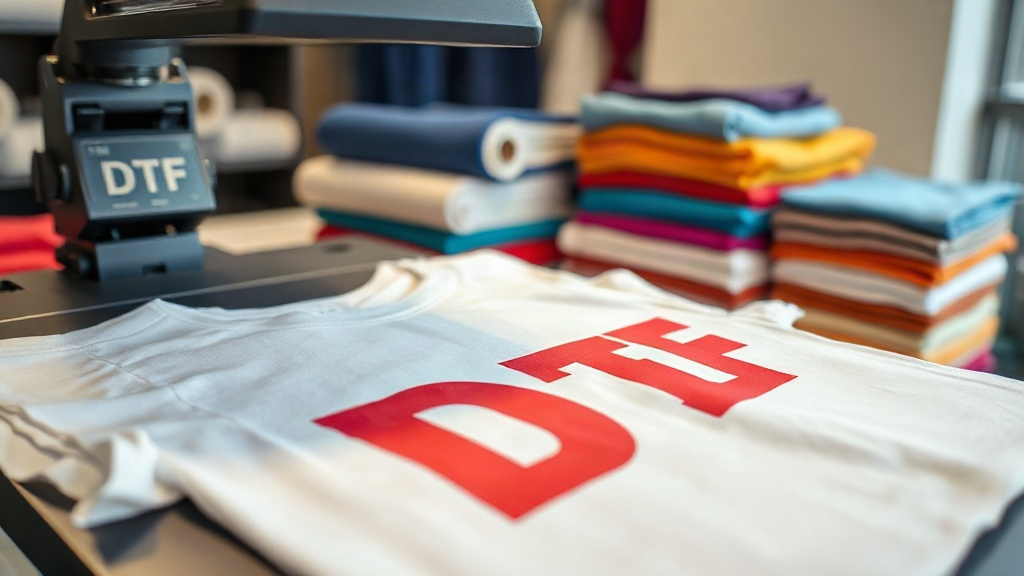
Direct-to-film (DTF) transfers have revolutionized the custom apparel industry, offering unparalleled versatility and vibrant colors. But to achieve professional-grade results, you need more than just a good printer and film. The choice of blank garment is equally critical. In this guide, we'll explore how DTF transfers interact with different fabrics, and why brands like Shaka Wear and Smart Blanks are top choices for creators. Whether you're a seasoned pro or just starting, understanding the synergy between transfer and substrate will elevate your game.
What Are DTF Transfers and Why They Matter
DTF transfers are printed onto a special film, coated with adhesive powder, and then heat-pressed onto fabric. Unlike DTG or screen printing, DTF works on almost any material, including cotton, polyester, blends, and even nylon. This flexibility makes it a favorite for small businesses and hobbyists. But not all blanks are created equal. The weave, thickness, and fiber content affect how the transfer adheres, feels, and lasts. That's where choosing the right blank comes in.
Choosing the Right Blank for DTF Transfers
The success of your DTF transfer hinges on the blank. A poor-quality shirt can lead to cracking, fading, or a stiff feel. Here's what to look for:
- Fiber content: 100% cotton offers a soft hand and excellent adhesion. Polyester blends can be tricky but work well with low-temperature pressing.
- Weave and weight: Tighter weaves like those in ringspun cotton provide a smooth surface for detailed prints. Heavier fabrics (e.g., 6 oz) hold up better to repeated washes.
- Color: DTF transfers are opaque, so they show up well on dark garments. However, a white underbase is not needed, saving time.
- Pre-treatment: Some blanks require pre-pressing to remove moisture and wrinkles. Always follow the manufacturer's guidelines.
Brands like Shaka Wear and Smart Blanks have earned a reputation for consistency and quality, making them ideal for DTF.
Why Shaka Wear Blanks Excel with DTF
Shaka Wear is a Los Angeles-based brand known for its heavyweight cotton tees and streetwear-inspired fits. Their garments are popular among printers because they are durable, pre-shrunk, and have a smooth surface that accepts DTF transfers beautifully. The 6.0 oz, 100% cotton fabric provides a premium feel, and the tight knit minimizes texture interference, resulting in crisp, vibrant prints. Additionally, Shaka Wear offers a range of styles, from classic crewnecks to hoodies, all suitable for DTF. If you're looking for blanks that withstand the heat press and frequent wear, Shaka Wear is a solid choice.
Smart Blanks: Affordable Quality for DTF
Smart Blanks is another trusted name in the blank apparel market, offering budget-friendly options without compromising on quality. Their tees are often made from 100% cotton or cotton/poly blends, providing a soft hand and good printability. For DTF transfers, Smart Blanks' consistent fabric density ensures even adhesion and minimal shrinkage. Many printers appreciate their wide color selection and size range, making them perfect for diverse projects. Whether you're printing promotional items or retail-ready apparel, Smart Blanks delivers reliable performance at a competitive price.
Step-by-Step: Applying DTF Transfers to Your Blanks
Once you've selected your blank, follow these steps for a flawless application:
- Pre-press the garment: This removes wrinkles and moisture. Set your heat press to 300-320°F (150-160°C) and press for 5-10 seconds.
- Position the transfer: Place the DTF film on the garment with the printed side up. Use heat tape if needed to secure it.
- Press: Apply medium pressure for 10-15 seconds. For best results, use a temperature of 300-320°F.
- Peel: Wait for the transfer to cool completely (cold peel) or peel while warm (hot peel) depending on the film instructions. Most DTF films are cold peel.
- Post-press: For added durability, cover with parchment paper and press again for 5-10 seconds.
Always test on a scrap piece first to dial in your settings.
Common Pitfalls and How to Avoid Them
Even with quality blanks, issues can arise. Here are some common problems and solutions:
- Transfer not adhering: Ensure adequate pressure and temperature. Pre-press the garment to remove moisture.
- Cracking or peeling: Usually caused by under-pressing or stretching the garment while hot. Allow to cool before handling.
- Stiff feel: Use a lower powder amount or choose a softer film. Also, consider the fabric weight; lighter blanks may feel stiffer.
- Color fading: Wash inside out in cold water and avoid bleach. Proper curing during pressing also helps.
Maximizing Durability: Care Tips for DTF-Printed Apparel
To ensure your DTF transfers last, educate your customers on proper care. Recommend washing inside out in cold water, tumble dry low, and avoid ironing directly on the print. Following these tips, prints on Shaka Wear and Smart Blanks can withstand dozens of washes without significant fading.
Frequently Asked Questions
Can I use DTF transfers on 100% polyester shirts?
Yes, DTF works on polyester, but you need to adjust temperature and pressure. Lower the temperature to around 280-300°F to prevent dye migration, and use light pressure. Pre-testing is crucial.
Which is better for DTF: Shaka Wear or Smart Blanks?
Both are excellent. Shaka Wear offers heavier, streetwear-style garments, while Smart Blanks provides affordable, versatile options. Your choice depends on your target market and budget.
How do I prevent the transfer from peeling after washing?
Ensure proper adhesion during pressing: use adequate temperature, pressure, and time. Also, post-press for extra durability and instruct customers to wash inside out in cold water.
Do I need special ink for DTF transfers?
Yes, DTF requires specialized DTF inks (usually pigment-based) and a DTF printer. Standard inkjet inks won't work. Always use inks designed for DTF.
What's the best way to store DTF transfers before use?
Store them in a cool, dry place away from direct sunlight. Keep them flat or rolled, not folded, to prevent creases. Use within a few months for optimal performance.
By pairing high-quality blanks like Shaka Wear and Smart Blanks with proper DTF techniques, you'll create apparel that looks great and lasts. Experiment, test, and refine your process to stand out in the competitive custom apparel market.