
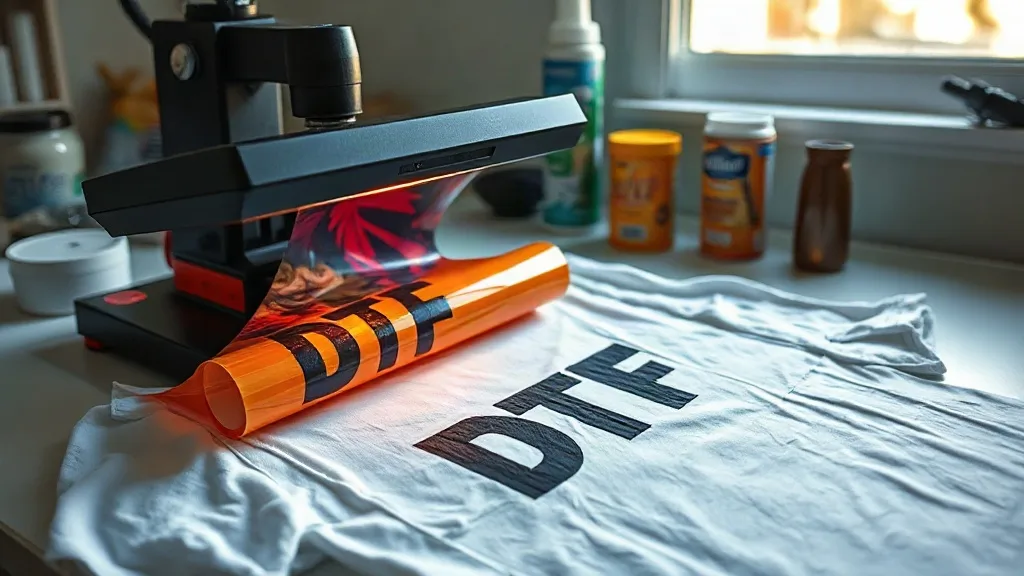
When you first hear about dtf transfers, it might sound like just another printing method. But for anyone who has spent hours wrestling with vinyl cutters or ruined a shirt with misaligned screen printing, DTF (Direct to Film) offers a breath of fresh air. This guide will walk you through the essentials of DTF transfers, from understanding the technology to applying them like a pro. Whether you're a small business owner looking to expand your product line or a hobbyist wanting to create custom apparel, DTF transfers can deliver vibrant, durable results on almost any fabric.
What Are DTF Transfers and How Do They Work?
DTF transfers are a digital printing method where your design is printed onto a special film, then coated with a powder adhesive, and finally heat-pressed onto the fabric. The process involves a few key steps: designing the artwork, printing it onto the film using a DTF printer with pigment inks, applying hot melt powder to the wet ink, and curing the powder. Once the transfer is ready, you can store it for later use or apply it immediately with a heat press. The magic of DTF lies in its versatility: it works on cotton, polyester, blends, and even tough materials like canvas and denim. Unlike other methods, DTF doesn't require pre-treatment of the fabric, and the prints stretch and breathe with the garment.
The Role of the Printer and Inks
A DTF printer is similar to a modified inkjet printer that uses special pigment inks. These inks are vibrant and durable, but they need to be handled properly to avoid clogging. The printer prints your design in reverse onto a PET film. The amount of ink laid down determines the opacity and feel of the final transfer. Too much ink can make the transfer stiff, while too little can cause it to crack. That's why investing in a quality printer and maintaining it regularly is crucial for consistent results.
Adhesive Powder: The Secret Sauce
After printing, while the ink is still wet, you apply a hot melt adhesive powder. This powder sticks to the ink and, when melted, creates a bond between the ink and the fabric. The type of powder matters: fine powder gives a softer hand, while coarser powder provides stronger adhesion. The curing process involves heating the powder until it melts and then cooling it. Proper curing ensures the transfer won't peel off after washing.
Choosing the Right DTF Supplies
Not all DTF supplies are created equal. The quality of your film, ink, and powder directly affects the durability and appearance of your transfers. Here's what to look for:
- Film: Use a high-quality PET film designed for DTF. It should be coated to accept ink without bleeding and release the transfer cleanly.
- Inks: Pigment inks formulated for DTF printers are essential. They should be vibrant, opaque, and resistant to fading.
- Powder: Choose a hot melt powder with a low melting point for easy curing. Fine powder (around 80-100 microns) is ideal for detailed designs.
- Heat press: A reliable heat press with accurate temperature and pressure control is a must. You'll need temperatures around 320°F to 350°F (160°C to 175°C) for application.
When sourcing supplies, consider bulk purchasing to save costs, but always test new batches to ensure consistency. Many suppliers offer starter kits that include film, powder, and sometimes even ink, which is a great way to begin.
Step-by-Step Guide to Applying DTF Transfers
Applying a DTF transfer is straightforward, but attention to detail makes the difference between a professional-looking print and a wrinkled mess. Follow these steps for best results:
- Preheat the fabric: Set your heat press to 320°F to 350°F (160°C to 175°C). Pre-press the garment for 5-10 seconds to remove moisture and wrinkles. This step is crucial for a smooth application.
- Position the transfer: Place the DTF transfer on the fabric with the printed side facing up. If your design has a white background, you'll need to decide whether to leave it or trim it. For a softer feel, trim excess film close to the design.
- Press: Cover the transfer with a protective sheet (like Teflon or parchment paper) and press with medium to heavy pressure for 15-20 seconds. The exact time depends on the fabric and thickness of the transfer; start with 15 seconds and adjust as needed.
- Peel: Wait a few seconds for the transfer to cool slightly, then peel the film off in a smooth, steady motion. If the design starts to lift, press again for a few more seconds. For a matte finish, you can press again after peeling for 5 seconds without the film.
- Post-press: For added durability, especially on stretchy fabrics, press the peeled design for another 5-10 seconds with a protective sheet.
Remember that every heat press is different, so always do a test press on a scrap piece of fabric to dial in your settings.
DTF Transfers Near Me: Finding Local Services vs. DIY
If you're not ready to invest in a DTF printer, you might search for dtf transfers near me to find local printing services. Many print shops now offer DTF transfer printing, allowing you to bring your design and get high-quality transfers without the equipment. This is ideal for small batches or if you want to test the waters before committing to a printer. However, if you plan to do large volumes or want full control over the process, investing in your own DTF setup can be more cost-effective in the long run. Local services often have quick turnaround times, but you'll need to factor in the cost per transfer, which can add up.
Common DTF Problems and How to Fix Them
Even with the best equipment, issues can arise. Here are some common problems and their solutions:
Transfer Peeling After Washing
This usually indicates insufficient pressure or incorrect temperature during application. Ensure your heat press is calibrated and apply more pressure. Also, check that the fabric is clean and dry before pressing. Pre-washing the garment can help remove sizing agents that interfere with adhesion.
Design Cracking
Cracking often results from too much ink or improper curing. Reduce the ink density in your printer settings and make sure the powder is fully melted during curing. Also, avoid stretching the fabric excessively when applying the transfer.
Film Not Peeling Cleanly
If the film sticks and tears, it might be due to insufficient cooling time or too much pressure. Allow the transfer to cool completely before peeling. If the problem persists, try a different brand of film or adjust your powder application.
DTF vs. Other Printing Methods
How does DTF stack up against screen printing, DTG, and vinyl? Each method has its strengths, but DTF shines in several areas:
- Versatility: DTF works on almost any fabric, including blends and dark colors, without the need for special pretreatment.
- Cost-effectiveness for small batches: Unlike screen printing, which requires setup costs per color, DTF has no minimum order and low setup costs.
- Durability: When applied correctly, DTF transfers are highly durable and can withstand many washes.
- Detail: DTF can reproduce fine details and gradients better than vinyl and is comparable to DTG.
However, DTF may not be the best choice for very large orders where screen printing becomes more economical, or for fabrics that cannot withstand heat.
Frequently Asked Questions About DTF Transfers
Can I use DTF transfers on 100% cotton?
Yes, DTF transfers work excellently on 100% cotton and cotton blends. The adhesive bonds well with natural fibers, and the prints remain soft and stretchable.
How long do DTF transfers last?
With proper application and care, DTF transfers can last as long as the garment itself. Wash inside out in cold water and avoid harsh chemicals to prolong the life of the print.
Do I need a special printer for DTF?
You can convert an inkjet printer to use DTF inks, but it's recommended to use a dedicated DTF printer for best results. These printers are designed to handle the thicker inks and provide consistent output.
What is the best temperature for DTF transfer application?
The ideal temperature range is 320°F to 350°F (160°C to 175°C). Always test with a heat gun or infrared thermometer to ensure accuracy, as temperature variations can affect adhesion.
Can I layer DTF transfers?
Yes, you can layer DTF transfers, but it's best to apply them one at a time, pressing each layer before adding the next. This ensures proper adhesion and prevents trapping air bubbles.
DTF transfers have revolutionized the custom apparel industry by making professional-quality printing accessible to everyone. With the right knowledge and a bit of practice, you can achieve stunning results that rival those of large print shops. Whether you choose to do it yourself or seek out local services, DTF offers a flexible, durable, and vibrant solution for all your fabric printing needs.