
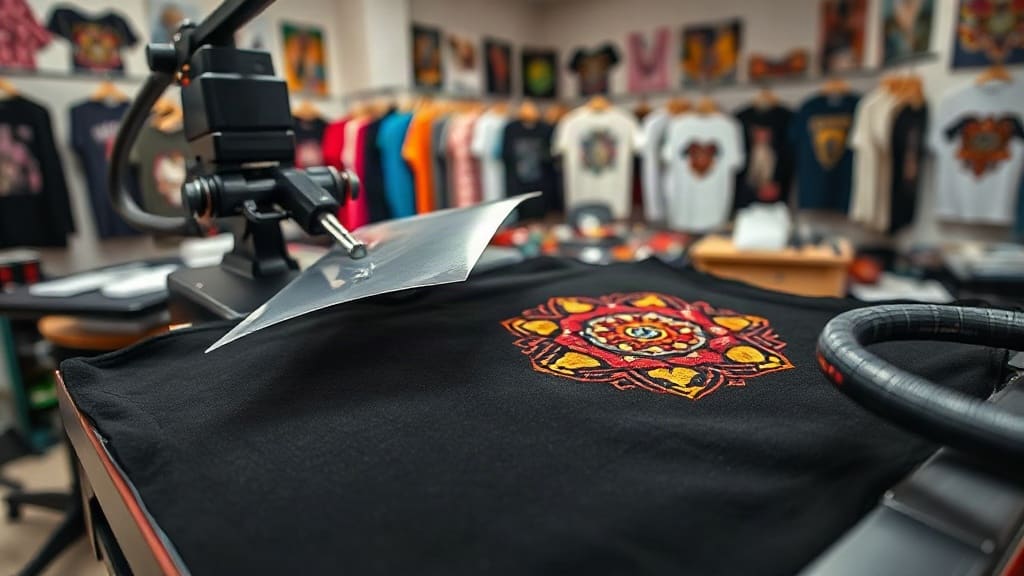
DTF transfers have revolutionized the custom apparel industry, offering a versatile and cost-effective way to create vibrant designs on various fabrics. Whether you're a seasoned printer or a small business owner looking to expand your product line, understanding this technology is crucial. In this guide, we'll dive deep into what DTF is, how it compares to other methods, and how to find the best DTF transfers near me to meet your needs.
What Are DTF Transfers?
DTF, or Direct to Film, is a printing method where designs are printed onto a special film and then transferred onto fabric using heat and pressure. Unlike traditional screen printing or Direct to Garment (DTG), DTF transfers offer exceptional flexibility, allowing you to print on a wide range of materials, including cotton, polyester, blends, and even leather. The process involves printing your design on a PET film, applying adhesive powder, and then curing the powder. When you're ready to apply, you simply place the film on the fabric and heat press it.
One of the biggest advantages of DTF transfers is their durability. The prints can withstand repeated washing without cracking or fading, making them ideal for sportswear, workwear, and everyday apparel. Additionally, the colors are incredibly vibrant and can include gradients, which are challenging with other methods.
Why Choose DTF Transfers Over Other Methods?
When you compare DTF to other popular methods like screen printing, DTG, and heat transfer vinyl (HTV), several key benefits stand out. Screen printing requires setup screens and is only cost-effective for bulk orders. In contrast, DTF transfers have no minimum order quantity, making them perfect for small batches and custom one-offs. DTG printing is great for soft prints but only works on 100% cotton, limiting your fabric options. DTF, on the other hand, adheres to a vast array of materials, including performance fabrics.
HTV is limited to simpler, cut-out designs, while DTF allows for full-color, photographic prints. Moreover, DTF transfers have a softer hand feel compared to HTV, enhancing comfort. For businesses that need to quickly produce custom apparel, DTF offers a quick turnaround, as you can print on demand without extensive setup.
How to Use DTF Transfers: A Step-by-Step Guide
Using DTF transfers is straightforward, but following the right steps is essential for a flawless finish. Here's a simple guide to get you started:
- Print your design: Using a DTF printer, print your design onto the film. Ensure the colors are accurate and the design is mirrored if it includes text.
- Apply adhesive powder: While the ink is still wet, shake a layer of adhesive powder over the printed film. Make sure you cover the entire design, then remove the excess powder.
- Cure the powder: Heat the film to melt the adhesive powder into the ink. This step is crucial for ensuring the transfer adheres properly.
- Press the transfer: Place the film on your fabric, adhesive side down. Use a heat press at around 160-170°C (320-340°F) with medium pressure for 15-20 seconds.
- Peel the film: After pressing, allow it to cool for a few seconds, then peel the film away. For best results, do a hot peel or cold peel depending on the film type.
One thing I've learned from experience is that the quality of your heat press and the pressure applied make a huge difference. Too little pressure and the design might not fully transfer; too much and you could damage the fabric. Also, always pre-press your garment to remove moisture and wrinkles, as this can affect adhesion.
Choosing the Right DTF Transfer Provider
When you're looking for DTF transfers near me, you have two main options: purchasing a DTF printer and making your own transfers, or outsourcing to a professional service. Each has its pros and cons, so it's essential to weigh them carefully.
Making Your Own DTF Transfers
Investing in a DTF printer can be a significant upfront cost, but it gives you complete control over your production. This option is ideal if you have high volume or need quick turnaround times. However, you'll need to master the technical aspects, such as color management, adhesive powder application, and curing temperatures. The learning curve can be steep, and you'll also need to maintain the equipment and troubleshoot issues.
Using a Professional DTF Service
On the other hand, outsourcing to a provider that specializes in DTF transfers can save you time and money, especially if you're just starting. Many services offer competitive pricing, fast shipping, and excellent quality. When searching for DTF transfers near me, look for companies with a solid reputation, read customer reviews, and ask for samples. A reliable provider will also offer support and guidance, helping you get the best results.
What to Look For in a DTF Transfer Provider
Not all DTF transfers are created equal. To ensure you're getting top-quality products, consider the following factors:
- Print quality: Check for crisp details, vibrant colors, and smooth gradients. Ask for a sample print to evaluate.
- Material compatibility: Make sure the transfers work on the fabrics you plan to use. Some providers may specialize in certain materials.
- Durability: Look for transfers that can withstand multiple washes without cracking or fading. Read customer feedback on longevity.
- Turnaround time: If you have deadlines, choose a provider that offers quick production and reliable shipping.
- Customer support: A responsive team that can answer your questions and assist with troubleshooting is invaluable.
I recall a time when I ordered DTF transfers from a new supplier, and the colors came out dull. After contacting their support, they offered a reprint and provided tips on heat settings. That kind of service makes a huge difference.
DTF Transfers Near Me: Local vs. Online Providers
When searching for DTF transfers near me, you might wonder whether to support local businesses or order from online providers. Local providers offer the advantage of inspecting samples in person and possibly faster shipping. You can also build a personal relationship, which is beneficial for ongoing orders. However, they may have limited design capabilities or higher prices.
Online providers often have a wider range of options, better pricing due to scale, and can ship nationwide. The main drawback is the inability to see the product before ordering. To mitigate this, many online services offer sample packs or have extensive galleries of their work. Websites like DTFProTransfer.com provide detailed product descriptions and customer feedback, which can help you make an informed decision.
Common Mistakes to Avoid When Using DTF Transfers
Even experienced printers can make errors. Here are some common pitfalls to watch out for:
- Incorrect heat press settings: Each DTF film has its own recommended temperature and time. Always test on a scrap fabric first.
- Peeling too early or too late: The timing of the peel (hot or cold) affects the finish. Some films require a cold peel to avoid lifting.
- Not pre-pressing: Pre-press your garment to remove moisture, which can cause poor adhesion.
- Using low-quality film: Cheap film may crack or peel quickly. Invest in quality materials for better results.
- Ignoring fabric type: Some fabrics, like nylon, are heat-sensitive and may require lower temperatures. Always adjust accordingly.
By avoiding these mistakes, you'll save time and money, and your finished products will look professional.
Cost Considerations: Are DTF Transfers Worth It?
The cost of DTF transfers varies depending on the provider, quantity, and complexity. Generally, they are more expensive per print than screen printing for large orders, but much cheaper for small batches. For businesses that offer personalized items, DTF is cost-effective because you can print one-off designs without wasting inventory.
When comparing prices, consider the total value: the durability of the print, the flexibility it offers, and the time saved. If you're selling custom apparel, customers are willing to pay a premium for high-quality, unique designs. In my own experience, switching to DTF for my side business reduced my overhead by eliminating minimum order requirements.
How to Store and Care for DTF Transfers
Proper storage of unused DTF transfers is essential to maintain their quality. Store them in a cool, dry place away from direct sunlight. Excessive heat or humidity can affect the adhesive and cause premature degradation. Keep them flat to avoid creasing, and use them within a reasonable timeframe, ideally within a year.
For finished garments, washing them inside out in cold water is recommended. Avoid using bleach or fabric softeners, as they can break down the adhesive over time. Tumble dry on low or hang dry to extend the life of your prints. With proper care, DTF prints can last for years.
Frequently Asked Questions
What is the difference between DTF and DTG printing?
DTG (Direct to Garment) printing involves printing ink directly onto the fabric, which requires a pretreated cotton garment. DTF, on the other hand, prints onto a film, which is then heat-transferred. DTF works on more fabric types, offers similar softness, and is often more versatile for on-demand printing.
Can I use DTF transfers on dark shirts?
Yes, DTF transfers are excellent for dark garments. The opaque adhesive layer ensures the design stands out without needing a white underbase. Many providers offer white toner printers specifically for this purpose.
How many washes can DTF transfers withstand?
High-quality DTF transfers can withstand 50 or more washes when properly applied and cared for. The key is to use the correct heat press settings and follow washing instructions to maintain the print's integrity.
Are DTF transfers eco-friendly?
DTF printing is considered more eco-friendly than some traditional methods because it produces less waste. However, the film and adhesive powders are not biodegradable. Look for providers that use water-based inks and recycle their waste materials.
Can I order DTF transfers in small quantities?
Absolutely. One of the major benefits of DTF is that it allows for low minimums. Many providers offer no minimum order, making it ideal for small businesses and individual creators.
Conclusion
DTF transfers are a game-changer for anyone in the custom apparel industry. Their versatility, durability, and ease of use make them a top choice for professionals and hobbyists alike. Whether you're searching for DTF transfers near me or considering investing in your own DTF system, understanding the nuances will help you make the best decision for your business.
By following the tips in this guide, you can avoid common pitfalls, achieve high-quality prints, and delight your customers. If you're ready to take your printing to the next level, explore reputable providers, request samples, and start creating amazing products today.