
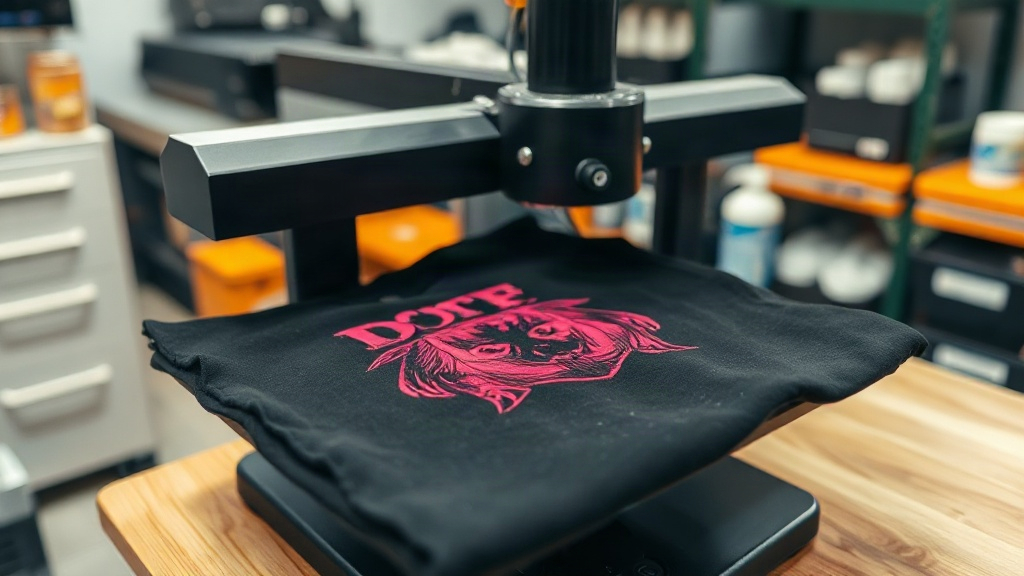
Imagine pressing a vibrant, full-color design onto a cotton t-shirt in minutes, without the hassle of weeding or layering. That's the promise of DTF Transfers, a digital printing technology that's rapidly becoming a favorite among custom apparel creators. Whether you're a small business owner, a hobbyist, or a professional decorator, understanding DTF transfers can open up a world of possibilities for your projects.
What Are DTF Transfers?
DTF Transfers (Direct to Film) are a type of heat transfer that involves printing a design onto a special film, coating it with adhesive powder, and then using a heat press to apply it to a garment. Unlike DTG (Direct to Garment) or screen printing, DTF transfers can be used on a wide range of fabrics, including cotton, polyester, blends, and even nylon. The process is relatively simple: print, powder, cure, and press.
How DTF Transfers Work: Step by Step
Understanding the DTF process helps you appreciate its flexibility and troubleshoot issues. Here's a breakdown of each stage:
1. Design Preparation
Your design is prepared in a graphics program and printed onto a PET film using a DTF printer. The printer uses special DTF inks (often CMYK plus white) to create the image. The white ink layer is crucial for opacity on dark garments.
2. Powder Application
While the ink is still wet, a thermoplastic powder (often called hot melt adhesive) is applied evenly over the printed area. The excess powder is shaken off, leaving a thin layer adhering to the ink.
3. Curing
The film with the powder is then heated, usually in a curing oven or with a heat press, to melt the powder and create a solid adhesive layer. This step is critical for durability and washability.
4. Transferring to the Garment
The cured transfer is placed on the garment and pressed with a heat press at a specific temperature, pressure, and time. The adhesive melts, bonding the design to the fabric. After pressing, the film is peeled away (hot or cold peel, depending on the film type), leaving the design behind.
Why Choose DTF Transfers?
DTF transfers offer several advantages that make them stand out:
- Versatility: Works on almost any fabric, including cotton, polyester, blends, leather, and more.
- No Weeding: Unlike vinyl, there's no tedious weeding process, saving time and labor.
- Vibrant Colors: DTF printers can produce full-color images with fine details and gradients.
- Durability: When applied correctly, DTF transfers withstand repeated washing without cracking or fading.
- Cost-Effective for Short Runs: Ideal for small batches or one-off custom items, as no screens or plates are needed.
DTF vs. Other Printing Methods
How does DTF stack up against DTG, screen printing, and vinyl?
DTF vs. DTG
DTG prints directly onto the garment, which limits it mostly to cotton. DTF can be used on more fabrics and often produces more vibrant colors on dark shirts because of the white ink layer. However, DTG may feel softer on the hand for light-colored cotton garments.
DTF vs. Screen Printing
Screen printing is cost-effective for large orders but requires setup per color. DTF is better for detailed, multi-color designs and short runs. Screen printing typically has a softer feel and can be more durable for high-volume production.
DTF vs. Heat Transfer Vinyl (HTV)
HTV requires weeding and layering for multi-color designs, which is time-consuming. DTF allows you to print complex designs in one go, with no weeding. HTV can be more durable for simple, single-color designs, but DTF offers greater design freedom.
Applications of DTF Transfers
DTF transfers are used for a variety of items:
- Custom t-shirts, hoodies, and sweatshirts
- Sportswear and team uniforms
- Corporate apparel and promotional items
- Tote bags, caps, and hats
- Denim jackets and jeans
- Face masks and other accessories
Tips for Successful DTF Transfer Application
To get the best results, follow these guidelines:
- Choose the right film: Use high-quality DTF film designed for your printer and ink.
- Control moisture: Preheat the garment to remove moisture, which can affect adhesion.
- Use correct settings: Follow the recommended temperature, pressure, and time for your specific transfer and fabric.
- Press evenly: Ensure the heat press applies uniform pressure across the design.
- Peel correctly: Some films require hot peel, others cold peel. Check the instructions.
- Wash inside out: To extend the life of the transfer, wash garments inside out in cold water and avoid harsh detergents.
Common Challenges and How to Overcome Them
Even with the best practices, you might encounter issues. Here are some common problems and solutions:
- Transfer peeling: Usually due to insufficient pressure, temperature, or time. Increase these settings and ensure even pressure.
- Cracking: Often caused by over-stretching the garment or improper curing. Make sure the transfer is fully cured and avoid stretching the design area.
- Dull colors: Could be from low-quality ink or film. Use reputable supplies and ensure proper printer settings.
- Adhesive residue: If the film leaves residue, it may be due to incomplete curing or wrong peel method. Adjust curing time and peel as recommended.
Frequently Asked Questions About DTF Transfers
How long do DTF transfers last?
With proper application and care, DTF transfers can last as long as the garment itself, often 50+ washes. Following washing instructions is key to longevity.
Can I use DTF transfers on dark colors?
Absolutely! DTF transfers include a white ink layer that makes colors pop on dark fabrics. This is one of their biggest advantages over DTG.
Do I need a special printer for DTF?
Yes, you need a DTF printer that uses DTF inks and can print on film. However, you can also buy pre-made DTF transfers from suppliers if you don't want to invest in a printer.
What fabrics work best with DTF?
DTF works on a wide range of fabrics, including cotton, polyester, blends, nylon, and even leather. It's not recommended for fabrics that can't withstand heat, like some synthetics with low melting points.
Is DTF transfer cost-effective for small businesses?
Yes, DTF is very cost-effective for short runs and custom orders because there's no setup cost like screen printing. It allows for on-demand production.
Conclusion
DTF Transfers are a game-changer in the custom apparel industry, offering versatility, vibrant colors, and durability. By understanding the process and following best practices, you can create stunning garments that impress your customers. Whether you're just starting or looking to expand your services, DTF transfers are a valuable addition to your toolkit.