
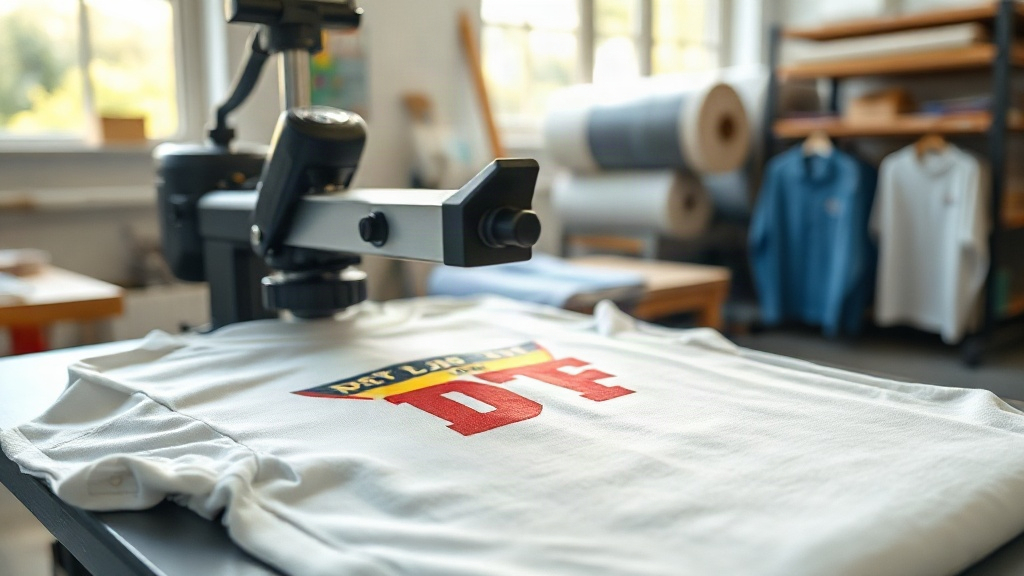
Custom apparel printing has evolved dramatically over the past decade, and DTF transfers have emerged as a game-changer for both hobbyists and professionals. Unlike traditional methods that require specific fabrics or complex setups, DTF (Direct to Film) transfers offer a versatile, cost-effective way to produce vibrant, durable designs on almost any material. Whether you're running a small business or just starting your printing journey, understanding DTF transfers can open up a world of possibilities.
What Are DTF Transfers?
DTF transfers are a type of heat-applied graphic produced by printing a design onto a special film, coating it with adhesive powder, and then transferring it to a garment using a heat press. The process involves a DTF printer that uses CMYK and white inks to create detailed, full-color images. The white ink layer acts as a base, allowing the design to show up vividly on both light and dark fabrics. Once printed, the film is dusted with a thermoplastic powder that melts during pressing, bonding the ink to the fabric.
What sets DTF apart is its ability to work on a wide range of materials, including cotton, polyester, blends, and even treated leather. No pre-treatment is needed, and the results are soft to the touch and highly durable. This flexibility makes DTF transfers a popular choice for custom t-shirts, tote bags, caps, and more.
Why Choose DTF Transfers Over Other Methods?
If you're familiar with screen printing, vinyl cutting, or DTG (Direct to Garment) printing, you might wonder how DTF compares. Here are some key advantages:
- No color limitations: DTF can reproduce complex gradients, photographs, and fine details without the need for multiple screens or color separations.
- Fabric versatility: Works on natural and synthetic fibers, including dark and light colors, without requiring special coatings.
- Cost-effective for short runs: Unlike screen printing, which has high setup costs, DTF is economical for small batches and one-off designs.
- Durability: When applied correctly, DTF prints resist cracking, peeling, and fading even after multiple washes.
- Soft feel: The prints are thin and flexible, avoiding the heavy, plastic-like texture of some vinyl transfers.
These benefits make DTF transfers an excellent option for businesses that need quick turnaround and high-quality results.
How to Apply DTF Transfers: Step-by-Step
Applying a DTF transfer is straightforward, but following the right steps ensures a professional finish. Here's a detailed guide:
1. Prepare Your Workspace and Materials
You'll need a heat press, the DTF transfer itself, a garment, and a protective sheet (like parchment paper or a Teflon sheet). Ensure your heat press is set to the correct temperature, typically around 300-325°F (150-160°C). Pre-press the garment for a few seconds to remove moisture and wrinkles.
2. Position the Transfer
Place the DTF transfer on the garment with the printed side facing up. If your transfer has a white backing, that side should face up; the design side goes against the fabric. Use heat-resistant tape to hold it in place if needed.
3. Press the Transfer
Cover the transfer with a protective sheet. Apply medium to firm pressure for 10-15 seconds. The exact time and temperature may vary depending on your press and the transfer manufacturer's recommendations, so always test first.
4. Peel the Film
DTF transfers are typically cold peel or warm peel. For cold peel, wait until the film cools completely before peeling. For warm peel, remove while still warm. Peeling slowly and evenly prevents distortion.
5. Post-Press for Durability
After peeling, cover the design with a protective sheet again and press for another 5-10 seconds. This step ensures the adhesive fully bonds and enhances wash durability.
Common Mistakes to Avoid with DTF Transfers
Even though DTF is forgiving, some pitfalls can ruin your results. Watch out for these:
- Incorrect temperature: Too low and the adhesive won't activate; too high and the film may scorch or the design may distort.
- Insufficient pressure: Uneven pressure leads to poor adhesion and premature peeling.
- Peeling too soon or too late: Follow the specific peel instructions for your transfer type.
- Not pre-pressing: Moisture in the fabric can cause steam and affect adhesion.
- Using the wrong side: Always confirm which side of the film goes against the fabric.
By avoiding these mistakes, you'll achieve consistent, professional-looking results with DTF transfers.
Choosing the Right DTF Transfer for Your Project
Not all DTF transfers are created equal. When selecting a supplier, consider the following:
- Ink quality: High-quality inks produce brighter colors and better wash fastness.
- Film thickness: Thinner films tend to feel softer on the garment.
- Adhesive powder: The type of powder affects the final texture and durability.
- Customer reviews: Look for feedback on durability and color vibrancy.
At DTF Pro Transfer, we specialize in premium DTF transfers that deliver exceptional results. Our transfers are known for their vivid colors, soft hand feel, and long-lasting performance.
Frequently Asked Questions About DTF Transfers
How long do DTF transfers last?
With proper application and care, DTF transfers can last as long as the garment itself. They withstand dozens of washes without fading or cracking when washed inside out in cold water and tumble dried on low.
Can I use DTF transfers on dark colors?
Absolutely. DTF transfers include a white ink base that makes them opaque on dark fabrics. This is one of their biggest advantages over other methods.
Do I need a special printer to make DTF transfers?
Yes, DTF transfers require a dedicated DTF printer that uses pigment inks and a film substrate. However, you can purchase ready-to-press transfers from suppliers like DTF Pro Transfer if you don't want to invest in a printer.
What fabrics work best with DTF transfers?
DTF transfers adhere well to cotton, polyester, cotton-poly blends, and even some synthetic materials like nylon. They are not recommended for fabrics with a heavy waterproof coating or silicone finish.
How do I store unused DTF transfers?
Store them in a cool, dry place away from direct sunlight. Keep them flat or rolled to prevent creasing. Avoid high humidity, which can affect the adhesive powder.
Final Thoughts
DTF transfers have revolutionized custom apparel printing by combining versatility, durability, and ease of use. Whether you're a seasoned printer or just starting out, incorporating DTF into your workflow can expand your offerings and delight your customers. Remember to follow the application guidelines, choose quality transfers, and practice to perfect your technique. With a bit of experimentation, you'll be producing stunning, long-lasting designs in no time.