
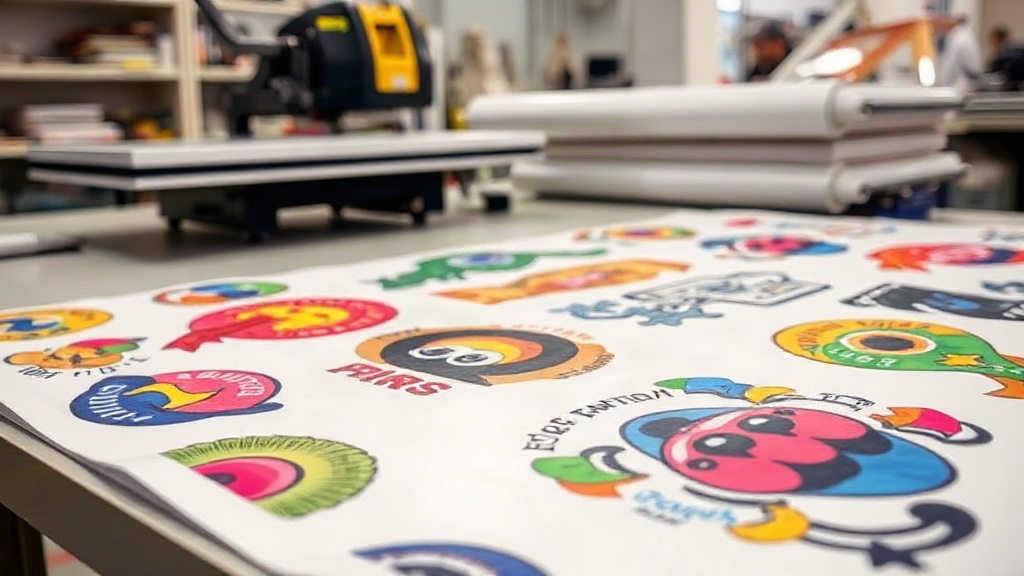
If you run a custom apparel business or just love creating unique shirts, you've probably heard about DTF printing. But have you explored the power of a DTF gangsheet? This game-changing approach lets you print multiple designs on a single sheet, saving time and money while delivering professional results. In this guide, we'll dive deep into what a DTF gangsheet is, why it's a smart choice for your business, and how to make the most of it.
What Exactly Is a DTF Gangsheet?
A DTF gangsheet is a large sheet of DTF transfer film that contains multiple designs arranged together. Instead of printing each design individually, you gang them up on one sheet, hence the name. This method is ideal for producing many transfers in one go, whether you're making a batch of team jerseys with different names and numbers, or a variety of sizes for a clothing line. The sheet is printed with your artwork using DTF printers, coated with adhesive powder, and then heat-pressed onto fabric. The result? Vibrant, durable prints that stick to cotton, polyester, blends, and even nylon.
Why Choose DTF Gangsheets Over Other Printing Methods?
DTF printing itself has revolutionized the garment decoration industry, but gangsheets take it a step further. Here's why they stand out:
- Cost efficiency: By maximizing the use of film and ink, you reduce waste and lower your cost per transfer.
- Time savings: Print many designs at once, cutting down on setup and production time.
- Versatility: Works on a wide range of fabrics, including those that are tricky for other methods like vinyl or screen printing.
- Durability: DTF transfers resist cracking, peeling, and fading, even after repeated washes.
- No weeding: Unlike vinyl, there's no tedious weeding process, which means less labor and fewer errors.
How to Create a DTF Gangsheet That Works
Creating a gangsheet might seem straightforward, but a few best practices can make a big difference in the final output.
1. Design with Bleed and Spacing in Mind
When arranging multiple designs on a gangsheet, leave enough space between them. A general rule is to keep at least 0.25 inches of gap. This prevents overlapping when cutting and ensures clean edges. Also, add a small bleed around each design if it has a background color, so you don't get white edges after pressing.
2. Optimize for Your Printer's Width
DTF printers come in various widths, commonly 13 inches, 17 inches, or 24 inches. Know your printer's maximum width and design your gangsheet to fit within that. You can rotate designs to fill gaps and maximize usage. Software like Photoshop or dedicated RIP software can help you nest designs efficiently.
3. Use High-Resolution Images
DTF printing reproduces fine details well, but only if your source images are high resolution. Aim for at least 300 DPI at the final print size. Low-res images will look pixelated and unprofessional.
4. Consider the Fabric and Color
DTF transfers are opaque, so they show up well on both light and dark fabrics. However, if you're printing on a dark garment, you might need a white underbase for vibrant colors. Most DTF printers handle this automatically, but it's something to check.
Step-by-Step: Producing a DTF Gangsheet
Ready to make your own? Here's a simple workflow:
- Prepare your artwork: Ensure all designs are in CMYK color mode, mirrored, and at 300 DPI.
- Arrange the gangsheet: Use design software to place your designs on a canvas that matches your film size. Leave spacing as mentioned.
- Print: Load the DTF film into your printer and print the gangsheet. Use high-quality settings.
- Apply adhesive powder: While the ink is still wet, sprinkle hot-melt adhesive powder evenly over the print. Shake off excess.
- Cure: Place the sheet in a curing oven or under a heat press for the recommended time and temperature (usually around 320°F for 2-3 minutes).
- Press onto garment: Cut out individual transfers and heat press them onto your fabric at 325°F for 15-20 seconds with medium pressure.
- Peel: Wait for it to cool, then peel off the film. For a matte finish, peel while hot; for glossy, peel cold.
Common Mistakes to Avoid with DTF Gangsheets
Even seasoned printers can slip up. Watch out for these pitfalls:
- Overcrowding: Too many designs too close together can cause ink bleeding or difficulty cutting.
- Inconsistent powder application: Uneven powder leads to poor adhesion or a rough texture.
- Incorrect curing: Under-curing means the transfer won't stick; over-curing can make it brittle.
- Wrong pressure: Too little pressure and the transfer won't adhere; too much and the design can spread.
- Ignoring fabric type: Some fabrics require different pressing parameters. Always test first.
Maximizing Profit with DTF Gangsheets
For a print shop, efficiency is key to profitability. Gangsheets allow you to produce multiple orders in one batch, reducing labor and material costs. You can also offer a wider range of products, from personalized t-shirts to tote bags, without investing in different equipment. Plus, the durability of DTF prints means satisfied customers and repeat business.
Frequently Asked Questions About DTF Gangsheets
What is the difference between DTF and DTF gangsheet?
DTF refers to the printing technology itself, while a DTF gangsheet is a specific application where multiple designs are printed on a single sheet to maximize efficiency. Essentially, a gangsheet is a collection of DTF transfers on one film.
Can I use a DTF gangsheet on any fabric?
Yes, DTF transfers adhere to a wide variety of fabrics including cotton, polyester, blends, nylon, and even leather. However, for best results, always follow the recommended pressing instructions for the specific fabric.
How do I store unused DTF transfers?
Store them in a cool, dry place away from direct sunlight. Keep them in a sealed bag to prevent dust and moisture from affecting the adhesive. Properly stored, they can last for several months.
Do I need a special printer for DTF gangsheets?
You need a DTF printer that uses DTF inks and film. Many popular printer models can be converted for DTF printing, or you can purchase a dedicated DTF printer. The key is to use the correct consumables.
What is the typical cost of a DTF gangsheet?
Cost varies based on size, design complexity, and quantity. However, because gangsheets reduce waste, the cost per transfer is often lower than other methods. For a quote tailored to your needs, contact a DTF printing service.
DTF gangsheets are a smart solution for anyone looking to produce high-quality custom apparel efficiently. Whether you're a small business or a large operation, embracing this technology can set you apart. Ready to get started? Explore DTF gangsheet options at dtfprotransfer.com and see the difference for yourself.